
On Sunday evening, the head of Iraq’s Civil Aviation Authority, Benkin Rikani, denied circulating reports regarding the crash of a civilian aircraft within Iraqi territory or airspace.
In a statement, Rikani asserted that “this information is baseless,” noting that air traffic at airports and in Iraqi airspace is continuously monitored by relevant authorities, and no incidents of this nature have been recorded.
Rikani urged media outlets and social media users to “exercise caution in disseminating news, rely on official sources for accurate information, and avoid spreading rumors that could cause public anxiety and confusion.”
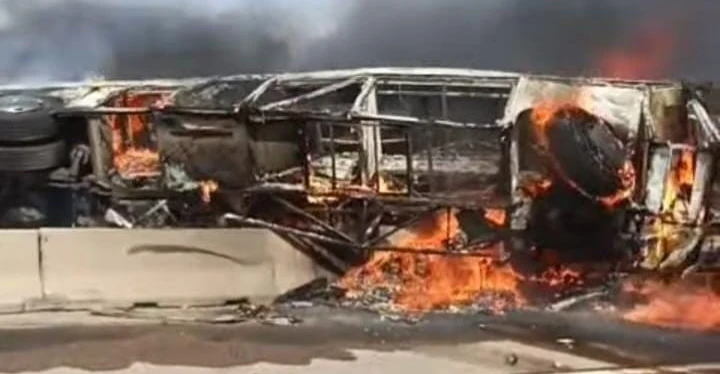
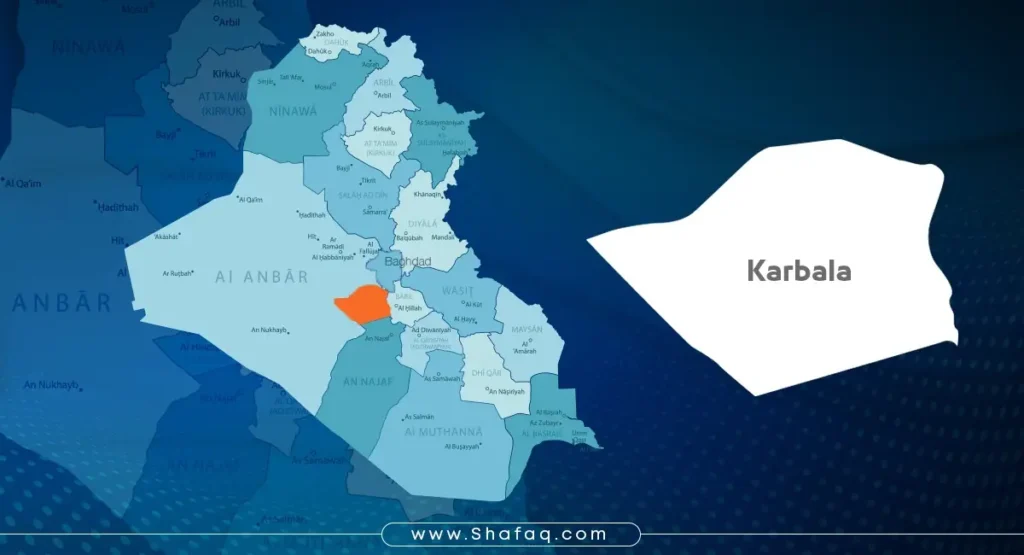
Simultaneously, the Governor of Karbala, Nasif Jassim al-Khatabi, confirmed that reports of a passenger plane crash in the province’s desert were untrue, suggesting that the “fallen object” might be a drone.
Furthermore, Mudar Thamer, the director of air traffic at the General Company for Air Navigation Services, announced the clearance of Iraqi airspace from all civilian aircraft by air traffic controllers.
Thamer also denied any news regarding “the crash of a plane or any incident involving civilian aircraft.”
This denial follows the circulation of reports on social media about a “civilian aircraft crash” in the Ain al-Tamr desert, approximately 100 kilometers from Karbala.
Additionally, there were reports of an unidentified drone crash and discussions about the fall of a fuel tank from a ballistic missile. However, as of the time of this report, the nature of the “object” that fell in the Karbala desert has not been officially confirmed.
Iraq has announced the closure of its airspace amid rapidly evolving security developments in the region, while Iran has also closed its western airspace.
This decision coincided with Iranian missile strikes on several areas in northern Israel, following military expansion by Israel in Lebanon.
Source: العراق